
In today’s world, businesses, municipalities, and property managers are increasingly looking for sustainable solutions for outdoor lighting. One area where renewable energy is making a significant impact is signage lighting. Directional signs play a crucial role in guiding visitors, drivers, and pedestrians, especially in parking lots, campuses, highways, resorts, and commercial areas. However, traditional lighting systems often require complex wiring and high electricity costs.
This is where Directional Sign Solar Lighting Kits offer an innovative and eco-friendly solution. By harnessing the power of the sun, these lighting systems provide reliable illumination without relying on grid electricity. They are efficient, cost-effective, and environmentally friendly, making them an excellent option for modern signage.
In this guide, we will explore how solar lighting kits work, their benefits, where they are commonly used, and why they are becoming a preferred choice for businesses and public spaces.
What Are Directional Sign Solar Lighting Kits?
Directional sign solar lighting systems are outdoor lighting solutions specifically designed to illuminate signs using solar power. These kits usually include a solar panel, LED lights, rechargeable batteries, mounting hardware, and a smart controller.
During the day, the solar panel captures sunlight and converts it into electrical energy. This energy is stored in a battery and used to power LED lights at night. Because the system works independently of the electrical grid, it is often referred to as an off-grid lighting solution.
These kits are ideal for locations where installing electrical wiring would be difficult or expensive. They are also widely used in areas where sustainable infrastructure is a priority.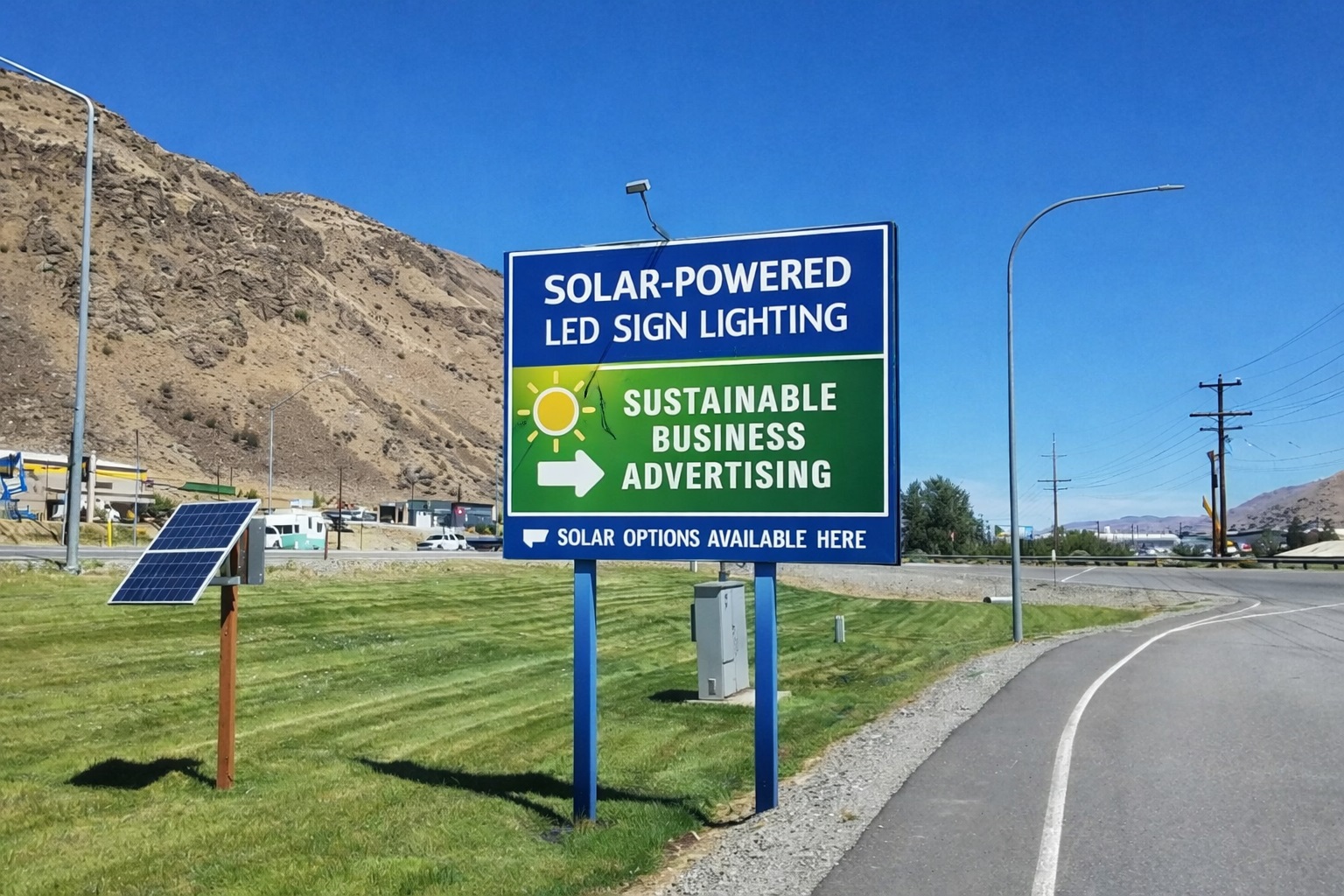
Why Solar Lighting Is the Future of Signage
The demand for sustainable technology continues to grow across industries. Businesses and municipalities are actively searching for ways to reduce energy consumption and lower environmental impact.
Solar lighting solutions provide several advantages:
They reduce dependence on traditional electricity.
They lower energy bills.
They minimize installation costs.
They contribute to environmental sustainability.
Modern solar technology has also become more reliable than ever before. High-efficiency solar panels and long-lasting LED lights allow solar sign lighting systems to operate effectively even in varying weather conditions.
Key Components of Solar Sign Lighting Kits
To understand how these lighting systems function, it is important to look at their main components.
Solar Panel
The solar panel is responsible for capturing sunlight and converting it into usable electricity. Panels are typically mounted above or near the sign to receive maximum sunlight exposure.
LED Lighting Fixtures
LED lights are used because they are energy efficient and long-lasting. They provide bright illumination while consuming minimal power, making them perfect for solar applications.
Rechargeable Battery
The battery stores the energy generated by the solar panel during the day. At night, the stored energy powers the LED lights to illuminate the sign.
Smart Controller
A controller manages the charging and lighting process. It ensures the battery is charged efficiently and automatically turns the lights on at dusk and off at dawn.
Mounting Hardware
Mounting brackets and poles allow the solar panel and lights to be installed securely on sign structures.
Benefits of Using Solar Lighting for Directional Signs
1. Eco-Friendly and Sustainable
Solar lighting systems rely on renewable energy from the sun. This reduces carbon emissions and helps create a more sustainable environment.
Businesses that adopt solar lighting also demonstrate their commitment to environmentally responsible practices.
2. Lower Energy Costs
One of the biggest advantages of solar lighting is that it eliminates electricity costs. Since the system runs on solar energy, there is no monthly energy bill associated with the lighting.
Over time, this can result in significant cost savings.
3. Easy Installation
Traditional lighting systems require trenching, wiring, and electrical connections. This process can be expensive and time-consuming.
Solar lighting kits, on the other hand, are much easier to install. Since they operate independently, there is no need for underground wiring.
4. Reliable Lighting in Remote Locations
Directional signs are often placed in areas where electricity may not be available. Solar lighting provides a practical solution for remote roads, parking areas, trails, and islands.
These systems work independently, making them ideal for off-grid locations.
5. Low Maintenance
Solar lighting systems are designed to be durable and require minimal maintenance. LED lights can last for many years, and modern batteries provide reliable performance.
Routine cleaning of the solar panel and occasional battery replacement are usually the only maintenance tasks required.
Common Applications of Solar Sign Lighting
Solar sign lighting can be used in many environments. Its flexibility makes it suitable for a wide range of applications.
Roadway Directional Signs
Highway and road signs must remain visible at night for safety. Solar lighting ensures drivers can easily see directions and warnings after dark.
Parking Lot Signs
Large parking areas often require directional signage to guide vehicles. Solar lighting helps illuminate these signs without requiring electrical infrastructure.
Business Entrance Signs
Many businesses install illuminated signs at their entrances. A Solar Powered Sign Board allows companies to display their brand while maintaining an eco-friendly image.
Resort and Tourism Areas
Resorts, parks, and tourist attractions often use directional signs to guide visitors. Solar lighting ensures these signs remain visible without disrupting the natural environment.
Island and Coastal Locations
Remote coastal areas and islands often lack reliable electricity infrastructure. Solar lighting systems work perfectly in these locations because they operate independently.
Advantages of LED Technology in Solar Sign Lighting
LED lighting plays an important role in the success of solar lighting systems.
Compared to traditional lighting options, LEDs offer several benefits:
Lower energy consumption
Longer lifespan
Brighter illumination
Reduced maintenance costs
Instant lighting without warm-up time
These features make LED lights the perfect choice for solar powered systems.
Improving Visibility with Solar Lighting
Properly illuminated signage improves safety and convenience for both drivers and pedestrians. When signs are clearly visible at night, people can navigate areas more easily.
Solar lighting helps ensure consistent visibility regardless of location. This is especially useful in large commercial areas, parking facilities, campuses, and recreational parks.
By installing Directional Sign Solar Lighting Kits, property managers can enhance both safety and accessibility.
Environmental Benefits of Solar Lighting
Switching to solar lighting contributes to a cleaner environment. Traditional lighting systems rely on electricity generated from fossil fuels, which can contribute to pollution and greenhouse gas emissions.
Solar lighting systems use renewable energy, which significantly reduces environmental impact.
Key environmental benefits include:
Reduced carbon footprint
Lower energy consumption
Sustainable infrastructure development
Support for green initiatives
Organizations that prioritize sustainability often choose solar lighting as part of their environmental strategy.
Cost Savings Over Time
Although solar lighting systems require an initial investment, they often pay for themselves over time.
Cost savings come from several areas:
No electricity bills
Minimal maintenance
No trenching or wiring costs
Long lifespan of LED lights
Because of these advantages, many businesses and municipalities consider solar lighting a smart long-term investment.
Solar Lighting for Large Sign Structures
In addition to directional signage, solar lighting can also be used for large advertising displays.
For example, Solar Billboard Sign Lights allow billboards to remain illuminated at night without using traditional electricity.
This technology is particularly useful for billboards located along highways, rural roads, and remote areas.
Solar lighting ensures the advertisement remains visible while reducing operational costs.
Choosing the Right Solar Lighting Kit
When selecting a solar lighting system for signage, several factors should be considered.
Sign Size
The size of the sign determines how much lighting is needed. Larger signs require more powerful lighting fixtures and solar panels.
Sunlight Availability
The location of the sign should receive sufficient sunlight during the day to charge the battery effectively.
Mounting Options
Different signs require different mounting configurations. Some systems are designed for pole mounting, while others attach directly to the sign structure.
Battery Capacity
A larger battery allows the lighting system to operate for longer periods, especially during cloudy days.
Installation Tips for Solar Sign Lighting
Proper installation helps maximize the performance of solar lighting systems.
Here are a few useful tips:
Position the solar panel where it receives maximum sunlight.
Avoid shading from nearby buildings or trees.
Mount the lighting fixtures at the correct angle for even illumination.
Ensure all components are securely installed.
Perform routine inspections to maintain optimal performance.
Following these steps ensures reliable lighting for many years.
The Growing Demand for Solar Signage Solutions
As sustainability becomes more important, solar lighting solutions are gaining popularity across industries.
Businesses, government agencies, and property developers are increasingly choosing solar technology because it offers:
Environmental benefits
Lower operating costs
Easy installation
Reliable performance
This growing demand is driving innovation in solar lighting technology, making modern systems more efficient and affordable.
The Future of Solar Powered Sign Lighting
The future of signage lighting is closely connected to renewable energy. Advances in solar panel efficiency, battery technology, and LED lighting are making solar solutions more powerful and reliable.
In the coming years, we can expect to see:
Smarter solar lighting systems
Longer battery life
Higher efficiency solar panels
Integration with smart city infrastructure
These developments will further strengthen the role of solar energy in modern signage.
Conclusion
Directional signage plays an essential role in guiding people and improving navigation in public and commercial spaces. Traditional lighting systems can be expensive and difficult to install, especially in remote locations.
Solar technology offers a smarter and more sustainable alternative. With renewable energy, easy installation, and minimal operating costs, solar lighting systems are transforming the way signs are illuminated.
By choosing Directional Sign Solar Lighting Kits, businesses and municipalities can improve sign visibility while supporting environmentally responsible practices. Solar powered lighting solutions not only reduce energy costs but also contribute to a cleaner and greener future.
As technology continues to evolve, solar lighting will remain a key part of modern signage infrastructure, helping communities create efficient, sustainable, and well-illuminated environments.