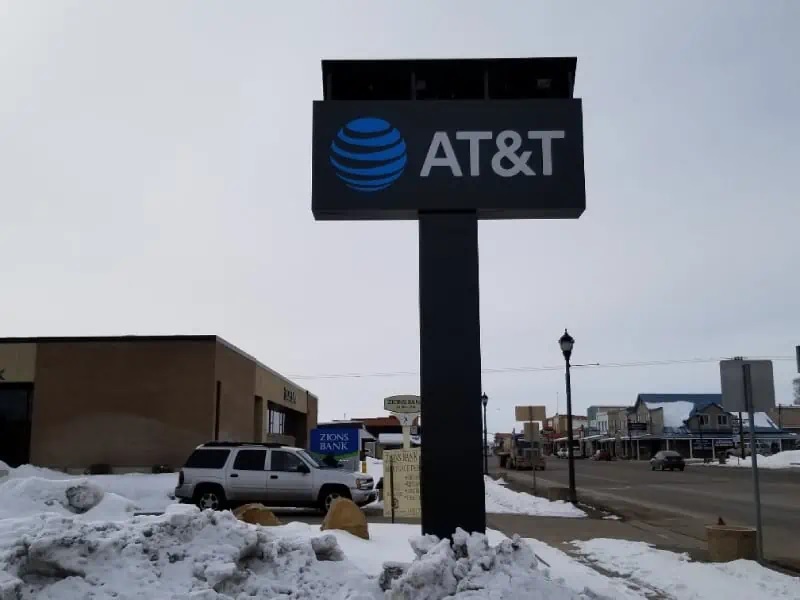
Outdoor signage plays a major role in attracting customers, improving visibility, and strengthening brand identity. Whether you own a retail store, restaurant, office building, gas station, or commercial property, illuminated signs help your business stand out day and night. In recent years, outdoor solar sign lighting has become one of the most popular solutions for businesses looking to reduce electricity costs while maintaining bright, reliable signage.
Solar-powered lighting systems are energy-efficient, eco-friendly, and cost-effective. However, proper installation is essential if you want your lighting system to perform well for many years. Poor positioning, incorrect mounting, and lack of maintenance can reduce efficiency and shorten the lifespan of your solar lighting setup.
This guide covers the most important outdoor solar sign lighting installation tips to ensure long-lasting performance, better illumination, and maximum return on investment.
Why Outdoor Solar Sign Lighting Is Growing in Popularity
Businesses are increasingly switching to solar-powered sign lighting because it offers several advantages over traditional electrical lighting systems. Solar lighting uses renewable energy from the sun, eliminating the need for expensive wiring and reducing monthly energy bills.
Modern solar lighting systems are designed to provide consistent illumination even during cloudy weather or low-light conditions. They are ideal for:
- Monument signs
- Billboard lighting
- Storefront signs
- Real estate signs
- Parking lot signage
- Construction site signs
- Directional signs
- Commercial property signs
Companies looking for reliable lighting solutions often turn to brands like Solar LED Sign Kits because of their efficient solar-powered products designed specifically for outdoor signage applications.
Choose the Right Solar Lighting System
One of the biggest mistakes businesses make is choosing the wrong lighting system for their sign size and location. Before installation, evaluate the following factors carefully:
Sign Dimensions
Larger signs require stronger LED output and larger solar panels. A small solar light may not provide enough brightness for a large commercial sign.
Lighting Duration
Consider how long the sign needs to remain illuminated each night. Some businesses only need lighting for a few hours after sunset, while others require all-night performance.
Weather Conditions
Local climate conditions affect solar charging efficiency. Areas with frequent rain, snow, or cloudy weather may require higher-capacity batteries and panels.
Mounting Location
The installation location impacts sunlight exposure and overall system efficiency. Always ensure the solar panel receives maximum direct sunlight.
Selecting the correct system from the beginning prevents performance issues later.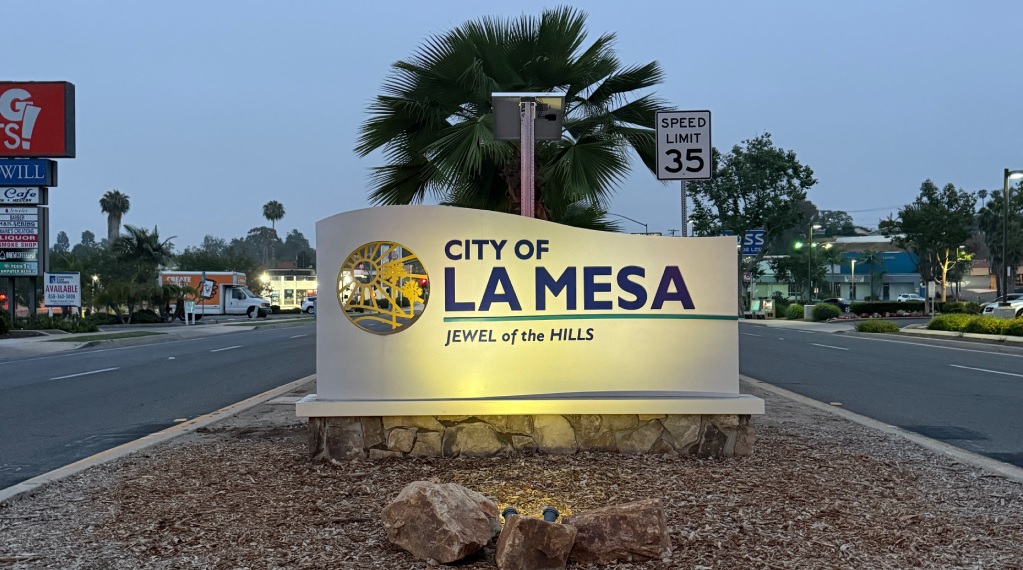
Install Solar Panels in Direct Sunlight
The most important factor for long-lasting performance is proper solar panel placement. Solar panels need adequate sunlight to fully charge the battery during the day.
Best Placement Tips
- Position panels facing south in North America
- Avoid shaded areas from trees or buildings
- Keep panels away from utility poles or roof obstructions
- Install at an angle that maximizes sun exposure
- Ensure sunlight reaches the panel throughout the day
Even partial shading can dramatically reduce charging efficiency.
Avoid Common Mistakes
Do not install solar panels:
- Under tree branches
- Behind architectural structures
- Near HVAC equipment
- Beneath overhangs
- In constantly shaded parking areas
Poor sunlight exposure results in dim lighting and shorter operational time at night.
Use Durable Mounting Hardware
Outdoor lighting systems face constant exposure to wind, rain, snow, heat, and temperature fluctuations. Cheap or weak mounting hardware can loosen over time and damage the system.
Recommended Materials
Use corrosion-resistant hardware such as:
- Stainless steel brackets
- Aluminum mounting poles
- Galvanized fasteners
- Weatherproof anchors
These materials resist rust and provide stronger long-term support.
Secure Installation Matters
A securely mounted solar lighting system:
- Prevents vibration damage
- Protects wiring connections
- Improves safety
- Extends equipment lifespan
- Maintains proper lighting angles
Professional-grade mounting hardware significantly improves system reliability.
Position LED Lights Properly
Proper LED placement ensures even sign illumination without dark spots or excessive glare.
Ideal Lighting Angles
Install LED fixtures:
- Slightly above the sign
- Angled downward evenly
- Centered for balanced coverage
- At the correct distance from the sign surface
The goal is uniform lighting across the entire sign face.
Prevent Overexposure
Lights positioned too close can create hot spots and harsh brightness. Fixtures placed too far away may reduce visibility.
Testing the lighting angle before final installation helps achieve the best results.
Protect Wiring and Connections
Although solar sign lighting systems require less wiring than traditional electrical systems, proper cable management remains essential.
Use Weatherproof Components
Outdoor systems should include:
- Waterproof connectors
- UV-resistant cables
- Protective conduit tubing
- Sealed junction boxes
These components prevent moisture intrusion and electrical damage.
Keep Wiring Organized
Loose or exposed cables can:
- Become damaged by weather
- Create safety hazards
- Reduce system efficiency
- Cause premature failure
Secure all wiring neatly and protect it from physical wear.
Select High-Quality Batteries
The battery stores solar energy collected during the day and powers the lighting system at night. Battery quality directly impacts system reliability.
Best Battery Options
Lithium batteries are often preferred because they offer:
- Longer lifespan
- Faster charging
- Better cold-weather performance
- Higher efficiency
- Lower maintenance requirements
Cheap batteries may fail quickly and reduce nighttime illumination.
Battery Placement Tips
Install batteries in:
- Weatherproof enclosures
- Ventilated areas
- Dry locations
- Protected compartments
Extreme heat and moisture can shorten battery life considerably.
Clean Solar Panels Regularly
Dust, dirt, pollen, leaves, bird droppings, and snow can block sunlight from reaching the solar panel surface.
Recommended Cleaning Routine
Clean panels:
- Every few weeks in dusty areas
- After storms
- During seasonal maintenance
- Whenever dirt buildup is visible
Use:
- Soft cloths
- Mild soap and water
- Non-abrasive cleaning tools
Avoid harsh chemicals or pressure washers that could damage the panel surface.
Why Cleaning Matters
Dirty panels absorb less sunlight, leading to:
- Reduced battery charging
- Dimmer lighting
- Shorter nighttime operation
- Lower system efficiency
Regular maintenance keeps the system performing at peak capacity.
Adjust Lighting for Seasonal Changes
Sunlight hours change throughout the year. Winter months often bring shorter days and lower solar charging capacity.
Seasonal Performance Tips
During winter:
- Remove snow accumulation quickly
- Adjust panel angles if possible
- Check battery health frequently
- Reduce unnecessary operating hours if needed
Proper seasonal adjustments help maintain consistent performance year-round.
Perform Routine System Inspections
Preventive maintenance helps identify minor issues before they become costly repairs.
What to Inspect
Regularly check:
- Solar panel cleanliness
- Mounting hardware stability
- Battery performance
- LED brightness levels
- Wiring condition
- Waterproof seals
- Corrosion or rust
A quick inspection every few months can significantly extend system lifespan.
Invest in Commercial-Grade Components
Not all solar sign lighting systems are built for commercial use. Residential-grade products may not withstand harsh outdoor conditions for extended periods.
Benefits of Commercial-Grade Systems
Commercial systems offer:
- Stronger LED output
- Better weather resistance
- Longer battery life
- Improved durability
- Enhanced energy efficiency
Businesses that invest in quality equipment often experience fewer maintenance issues and lower long-term costs.
Many property owners rely on Solar LED Sign Kits for dependable outdoor solar sign lighting systems designed for durability and high performance.
Understand Local Weather Challenges
Different environments create different installation challenges.
Coastal Areas
Salt exposure can accelerate corrosion. Use marine-grade mounting hardware and sealed components.
Snowy Regions
Install panels at steeper angles to reduce snow accumulation.
Desert Climates
Extreme heat may affect battery performance. Use heat-resistant enclosures and ensure adequate ventilation.
Windy Areas
Reinforce mounting brackets and poles to withstand strong gusts.
Adapting the installation to local conditions greatly improves long-term reliability.
Avoid Overloading the System
Some users attempt to add additional lights or accessories beyond the system’s intended capacity. This can drain batteries faster and reduce overall efficiency.
Follow Manufacturer Guidelines
Always use:
- Recommended LED wattage
- Proper battery capacity
- Correct solar panel sizing
Balanced system design ensures stable and reliable operation.
Consider Motion Sensors and Smart Controls
Modern solar lighting systems often include smart features that improve energy efficiency.
Popular Smart Features
These may include:
- Motion sensors
- Dusk-to-dawn automation
- Adjustable brightness levels
- Timers
- Remote controls
Smart controls help conserve battery power while maintaining visibility when needed.
Professional Installation vs DIY
Some small solar lighting systems are simple enough for DIY installation. However, larger commercial projects often benefit from professional installation.
Advantages of Professional Installation
Experienced installers can:
- Optimize panel placement
- Ensure safe mounting
- Protect electrical connections
- Improve lighting coverage
- Reduce installation errors
Professional installation often results in better long-term performance and fewer maintenance problems.
Improve Business Visibility with Solar Lighting
Outdoor sign lighting is not only functional but also an important marketing tool. Bright, professionally illuminated signage attracts attention and improves customer perception.
Benefits for Businesses
Well-lit signs help:
- Increase nighttime visibility
- Improve brand recognition
- Enhance property appearance
- Attract more foot traffic
- Create a professional image
Solar-powered systems allow businesses to achieve these benefits while reducing operational costs.
Eco-Friendly Advantages of Solar Sign Lighting
Sustainability is becoming increasingly important for businesses and consumers alike. Solar lighting reduces environmental impact by using renewable energy instead of traditional electricity.
Environmental Benefits
Solar-powered sign lighting helps:
- Reduce carbon emissions
- Lower electricity consumption
- Minimize energy waste
- Support green business initiatives
Businesses using sustainable lighting solutions may also improve their reputation among environmentally conscious customers.
Long-Term Cost Savings
Although the initial investment in solar lighting may be higher than traditional systems, long-term savings can be substantial.
Financial Benefits
Businesses can save money through:
- Lower electricity bills
- Reduced wiring costs
- Minimal maintenance expenses
- Longer-lasting LED technology
- Fewer replacement needs
Over time, solar-powered lighting often pays for itself through reduced operating costs.
Final Thoughts
Outdoor solar sign lighting is one of the most efficient and environmentally friendly ways to improve business visibility. However, achieving long-lasting performance requires careful planning, proper installation, and regular maintenance.
By choosing the right system, installing panels in direct sunlight, using durable hardware, protecting wiring, cleaning panels regularly, and performing routine inspections, businesses can maximize the lifespan and efficiency of their solar lighting investment.
A well-installed solar sign lighting system not only enhances nighttime visibility but also reduces energy costs and supports sustainable business practices. Whether you are upgrading existing signage or installing a new system, following these installation tips will help ensure reliable performance for years to come.