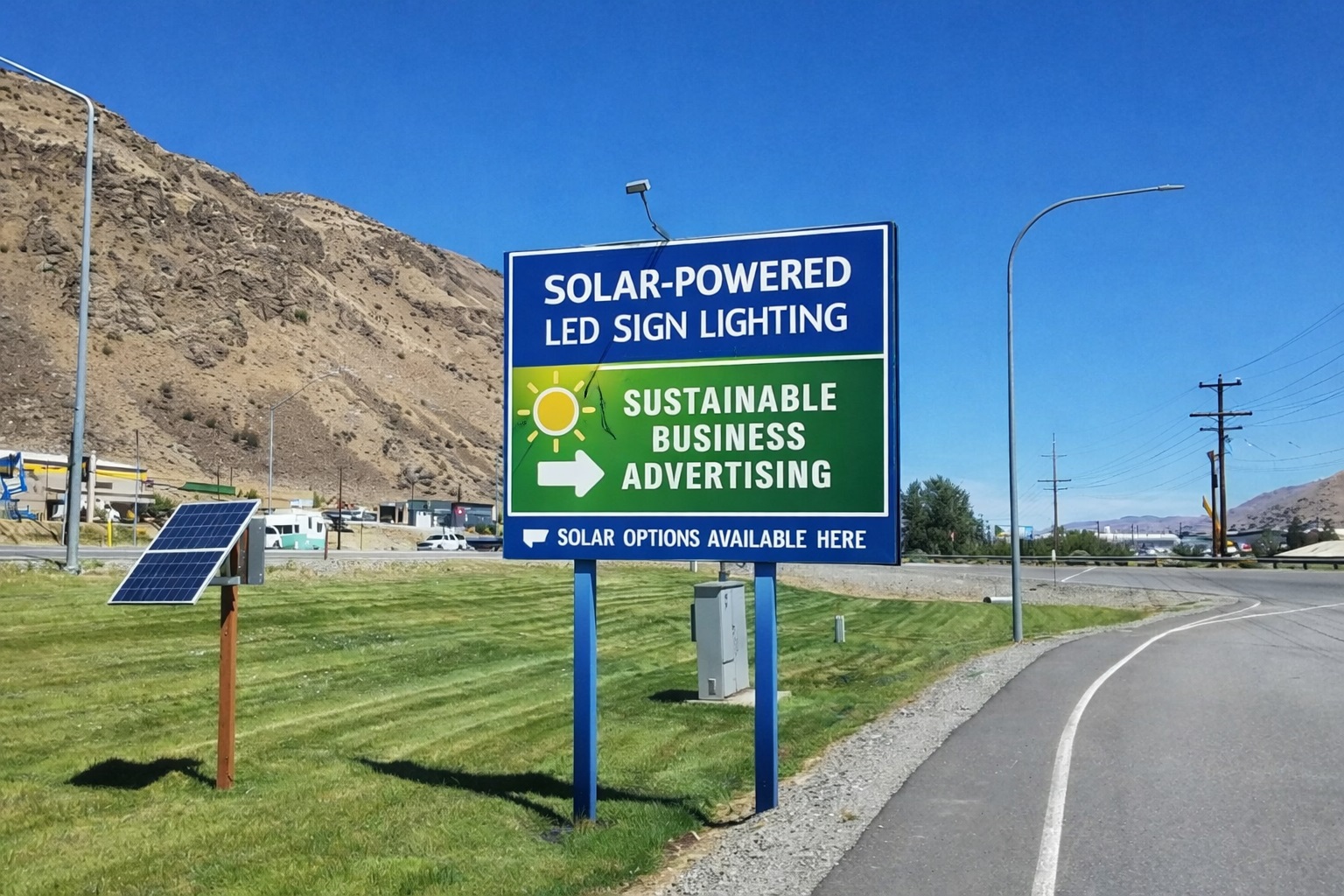
Signs help people find roads, businesses, parking areas, and important locations. On islands, clear and visible signage becomes even more important because visitors often rely on signs to navigate unfamiliar areas. However, installing traditional electrical lighting for signs on islands can be difficult and expensive. Power lines may not reach remote locations, and running underground wiring across beaches or coastal terrain can cost a significant amount.
Because of these challenges, many island businesses and municipalities now choose solar technology. Solar lighting systems provide a practical and environmentally friendly way to illuminate signs without connecting to the electrical grid.
In particular, Solar Lighting Kits For Signs on Island environments provide a reliable solution for remote signage. These systems use sunlight to generate electricity during the day and automatically illuminate signs at night. As a result, island communities can improve visibility while also reducing installation costs and energy use.
The Challenges of Lighting Signs on Islands
Island locations often create unique infrastructure challenges. Unlike large cities, many islands have limited access to electricity in remote areas. Therefore, installing traditional lighting systems for signs can become complicated.
First of all, electrical infrastructure may not reach every road or outdoor sign location. Extending power lines across long distances requires trenching, permits, and expensive installation work. Consequently, many small businesses or municipalities cannot justify the cost.
In addition, island environments often experience strong winds, salt air, and humidity. These conditions can damage electrical systems over time. For example, salt corrosion can affect wiring and fixtures if they are not designed for coastal conditions.
Moreover, many island communities focus on sustainability and environmental protection. For this reason, they often prefer energy-efficient lighting solutions that reduce electricity consumption.
Because of these challenges, solar lighting has become a popular and practical option.
What Are Solar Lighting Kits for Signs?
Solar lighting kits are complete lighting systems designed to power sign illumination using solar energy. Instead of connecting to the electrical grid, these systems generate and store their own power.
Typically, a solar lighting kit includes several important components:
Solar panel
LED lighting fixture
Rechargeable battery
Mounting hardware
Smart controller
During the day, the solar panel collects sunlight and converts it into electricity. The system then stores this energy in a battery. Later, when the sun sets, the controller automatically activates the LED light.
As a result, the sign remains illuminated throughout the night without using grid electricity. Because these systems operate independently, they work perfectly for Off Grid Sign Lighting in remote locations.
Why Solar Lighting Is Perfect for Island Signage
Solar lighting technology offers several important advantages. Therefore, many businesses, parks, and municipalities on islands choose solar lighting for their signs.
1. No Electrical Grid Required
One of the biggest advantages of solar lighting is its ability to operate completely off the grid. Traditional lighting systems require underground wiring and electrical connections. However, solar systems eliminate that requirement entirely.
Because the system produces its own power, installers can place it almost anywhere. For example, remote roads, beaches, hiking trails, and parking areas can all benefit from solar sign lighting.
Therefore, Solar Lighting Kits For Signs on Island locations provide an efficient solution where electricity may not be available.
2. Simple and Fast Installation
Another major advantage involves the installation process. Traditional electrical lighting often requires trenching, conduit installation, and licensed electricians.
However, solar lighting kits simplify the process significantly. In most cases, installers mount the solar panel and LED fixture directly onto the sign structure or a nearby pole.
As a result, installation becomes faster and less expensive. Businesses can illuminate their signs without major construction work. Additionally, the absence of electrical wiring reduces installation risks and complications.
3. Energy Efficiency and Sustainability
Solar lighting systems rely entirely on renewable energy from the sun. Consequently, they provide an environmentally friendly lighting solution.
Modern LED technology also consumes very little energy while still producing bright illumination. Therefore, solar systems can operate efficiently throughout the night.
Furthermore, Solar Powered Sign Lighting helps reduce carbon emissions because it eliminates the need for grid electricity generated from fossil fuels.
Island communities often prioritize sustainability. For this reason, solar lighting fits perfectly into environmentally conscious development plans.
4. Long-Term Cost Savings
Although solar lighting kits require an initial investment, they often save money in the long run.
Traditional sign lighting generates monthly electricity bills. Over time, those energy costs can become significant. However, solar systems generate power from sunlight, which means there are no ongoing electricity expenses.
Additionally, solar lighting reduces installation costs because it eliminates trenching and electrical wiring. Therefore, many businesses recover their investment through long-term energy savings.
5. Reliable Lighting in Remote Locations
Island signage often appears in locations far away from buildings or electrical infrastructure. For example, directional road signs may stand along coastal roads or rural areas.
Fortunately, solar lighting systems operate independently. Once installed, they automatically charge during the day and illuminate at night.
Because of this reliability, many municipalities choose Off Grid Sign Lighting for important outdoor signage. These systems ensure that signs remain visible even in remote environments.
Common Uses for Solar Sign Lighting on Islands
Solar lighting systems can illuminate many different types of signage. As a result, island communities use them in several applications.
Directional Road Signs
First, solar lighting improves visibility for road signs. Tourists often rely on directional signs when traveling on unfamiliar island roads. Therefore, illuminated signage helps drivers navigate safely at night.
Business and Resort Signs
Hotels, restaurants, and retail stores also benefit from illuminated signs. Bright signage attracts customers and improves brand visibility after sunset.
Park and Trail Signage
Many islands feature nature parks, walking trails, and scenic areas. Solar lighting provides a practical way to illuminate informational signs without installing electrical infrastructure.
Marina and Harbor Signs
Harbors and marinas often require illuminated signs to guide boaters safely. Solar lighting works well in these environments because it withstands coastal conditions.
Billboard Advertising
In addition, solar technology can illuminate large advertising displays. Solar Billboard Sign Lights provide bright lighting for outdoor advertising while operating independently from the electrical grid.
Environmental Benefits of Solar Sign Lighting
Solar lighting systems provide several environmental advantages, especially for island ecosystems.
Reduced Carbon Emissions
First, solar lighting uses renewable energy instead of fossil fuels. As a result, it reduces carbon emissions and supports cleaner energy production.
Minimal Landscape Impact
Traditional electrical installations often require digging trenches for underground cables. However, solar systems eliminate that requirement. Therefore, installation causes minimal disturbance to natural landscapes.
Sustainable Energy Source
Solar energy remains one of the most sustainable power sources available. By installing Solar Powered Sign Lighting, island communities support renewable energy initiatives and protect their natural environment.
How Solar Sign Lighting Systems Work
Understanding how solar lighting systems operate can help businesses choose the right solution.
Daytime Charging
During the day, the solar panel absorbs sunlight and converts it into electricity.
Energy Storage
Next, the system stores the generated electricity in a rechargeable battery. This stored energy allows the lighting system to operate during the night.
Automatic Nighttime Lighting
After sunset, a smart controller automatically activates the LED lights. The system then illuminates the sign using the stored energy.
Because the system operates automatically, users do not need to turn the lights on or off manually.
Durability in Coastal Conditions
Island environments can be harsh due to wind, humidity, and salt air. Therefore, high-quality solar lighting systems include durable materials designed for outdoor use.
For example, many systems include:
Corrosion-resistant aluminum fixtures
Weatherproof solar panels
Waterproof LED lighting
Long-lasting lithium batteries
These features allow Solar LED Sign Lighting Kits to perform reliably even in challenging coastal environments.
Choosing the Right Solar Lighting Kit
Selecting the correct solar lighting system requires careful planning. Several factors influence performance and lighting quality.
Sign Size
Larger signs require stronger LED lighting to ensure clear visibility.
Sunlight Exposure
Solar panels must receive sufficient sunlight during the day. Therefore, installers should avoid shaded locations.
Battery Capacity
Battery size determines how long the lights can operate during the night.
Mounting Location
Installers should place solar panels where they receive maximum sunlight exposure.
By considering these factors, businesses can ensure their solar lighting system performs effectively.
The Future of Solar Sign Lighting
Solar technology continues to improve each year. Manufacturers regularly develop more efficient solar panels, brighter LEDs, and longer-lasting batteries.
As a result, solar lighting systems now provide reliable performance in many environments. In the future, even more businesses and municipalities will adopt solar lighting solutions.
For island communities in particular, solar technology offers a sustainable and cost-effective method for illuminating outdoor signage.
Conclusion
Island locations often present unique challenges when installing traditional sign lighting systems. Limited electrical infrastructure, remote locations, and environmental concerns can make conventional lighting expensive and difficult to maintain.
However, solar lighting provides a practical solution. By generating electricity from sunlight, solar systems illuminate signs without relying on the electrical grid.
From road signs to large advertising displays, solar lighting improves visibility while reducing energy costs. Furthermore, it supports sustainable development by using clean renewable energy.
Because of these advantages, many businesses and municipalities now rely on solar lighting systems. With easy installation, long-term cost savings, and dependable performance, Solar Lighting Kits For Signs on Island environments truly represent the perfect off-grid lighting solution.